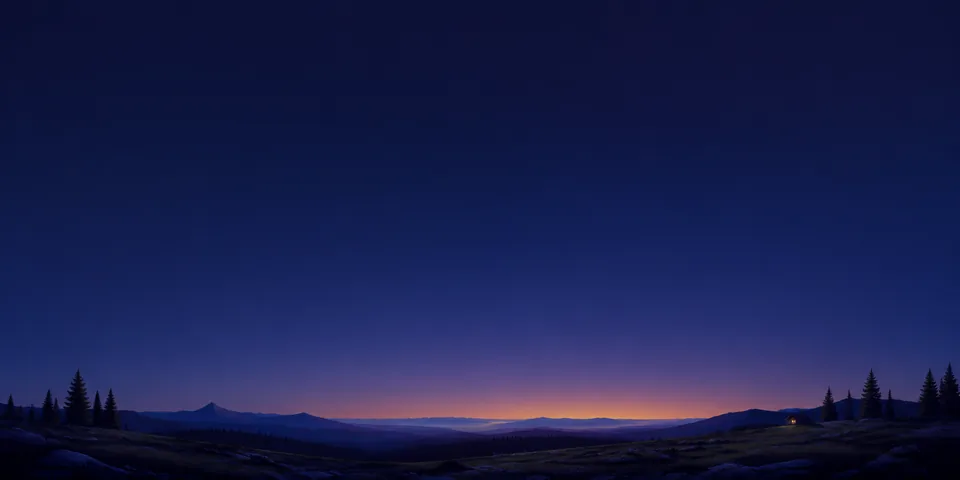
The geometry behind New Moon
At new moon, the Moon is on the Sun’s side of Earth and we face its largely unilluminated hemisphere. The Moon still has a sunlit side; most of that side faces away from us.
Moon Phases · March 26, 2028
Less moonlight for seeing stars. Check your local dark window.
Peak
YOUR PLACE. YOUR VIEW.
Choose a place to see local times, directions and conditions.
We can calculate your local visibility ahead of time. The weather outlook follows closer to the date.
A city you choose is remembered for this tab. Your IP address is used by IPinfo to find an approximate area, which is kept in this tab for 15 minutes. It may be wrong with a VPN. Browser location needs permission. The page URL includes the selected area, rounded to two decimal places, so you can copy it to share this view. Exact browser coordinates are not saved. Maps load directly from OpenStreetMap and NOAA, which receive the map area being viewed. City names: GeoNames, CC BY 4.0.
When it happens
Global reference time: March 26, 2028 at 04:31 UTC. Your local calendar date may differ.
The peak is not necessarily the best time to look from your location. Horizon, darkness, Moon position and weather determine the useful observing window.
What to expect
The new Moon itself is not visible. Nearby nights can offer less moonlight for stargazing.
Understand the moment
At new moon, the Moon is on the Sun’s side of Earth and we face its largely unilluminated hemisphere. The Moon still has a sunlit side; most of that side faces away from us.
Try it in the astronomy lab
Move the date a few days forward or backward in Moonlight to watch the illuminated fraction change. The boundary between lunar day and night is called the terminator.
Opens . Each scene is an exact daily sample, without interpolation; it is separate from the catalog peak of 04:31 UTC.
How to read the scene: This Earth-centered view shows illumination, not the Moon’s rise time or its rotation relative to your horizon. A daily sample may differ from the exact phase instant.
A little context. A better view.
The exact lunar phase is a global instant. Your time zone can put it on the previous or following calendar date. The Moon’s rise, set and position still depend on where you are.
A full moon is a useful subject to observe, but its light makes faint stars and meteors harder to see. Choose a clear horizon and check whether the Moon will be above it.
The new Moon itself is not a naked-eye target. Reduced moonlight near this phase can help with stargazing, although darkness, clouds and local lighting still determine the view.
The catalog identifies some full moons near Earth as supermoons. Event details report distance when available; the label does not guarantee a dramatic visual difference or favorable weather.
Learn more: U.S. Naval Observatory Moon and sky data
The Moon reaches its full phase (Hunter's Moon).
Dark moonless skies make this a useful night for stargazing.
The Moon reaches its full phase (Beaver Moon).
Dark moonless skies make this a useful night for stargazing.
Take the sky with you
Open the astronomy calendar in Forecast Bar to explore events alongside your local weather and astronomy alert settings.